
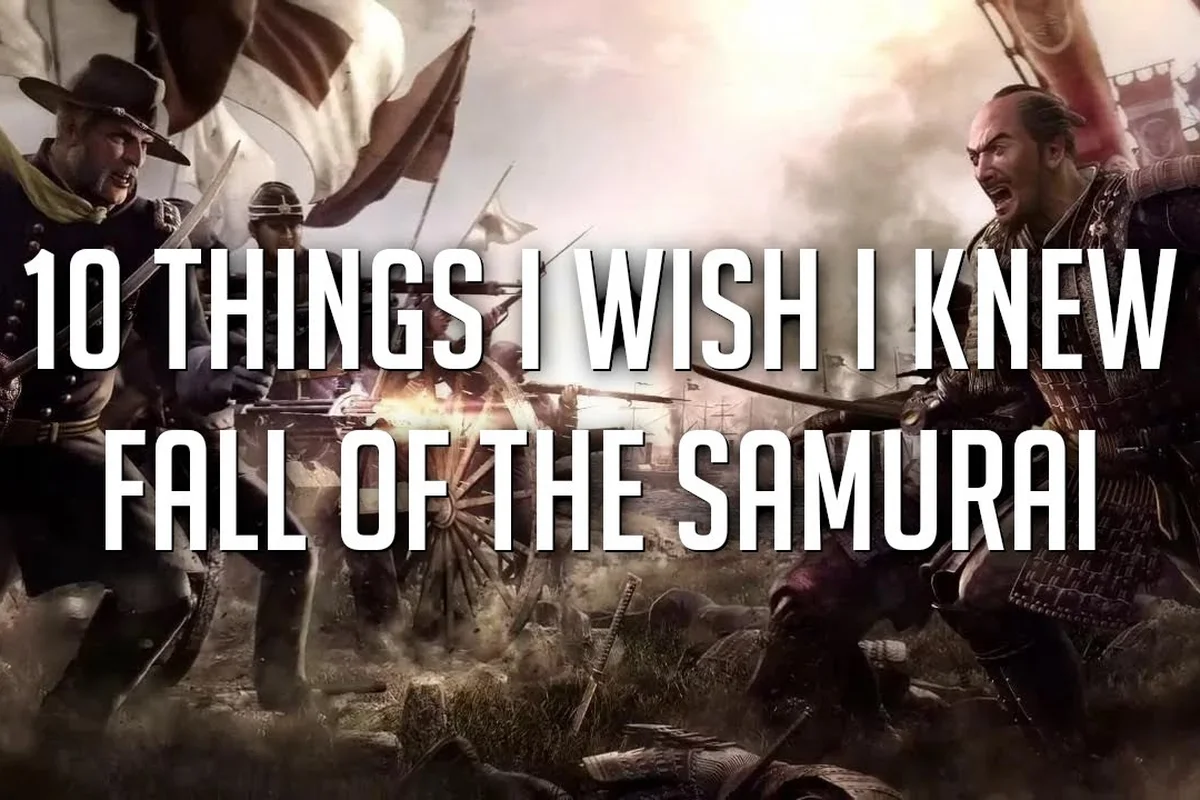
The full Total War Shogun 2 DLC list spans clan packs, unit packs, culture packs, and two major campaign expansions, and knowing what each one actually adds is the fastest way to decide what to buy. Creative Assembly supported the 2011 base game with a steady post-release pipeline, then bundled the bulk of that content into a Complete Edition, so the modern storefront is mostly a question of "which bundle is this?" rather than "is anything worth grabbing?" This guide breaks down every release, explains what each pack changes mechanically, and calls out the packs that veterans still consider essential more than a decade later.
The Complete Edition Bundle vs the Original 2011 Release
Most buyers today do not actually pick DLCs one at a time. According to the Total War: SHOGUN 2 Steam page, the modern storefront lists the Complete Edition as a single SKU that includes the base game, every clan and unit pack, and both standalone expansions. That makes "what is in Shogun 2 Complete Edition" a one-question shopping decision, and the answer is essentially "almost everything ever released for the original 2011 era, minus a few cosmetic-only micro-DLCs that Sega rotated through Steam sales."
What the Complete Edition Includes
The Complete Edition is the simplest answer for new players, because it removes the choice entirely. The bundle is sold as a single product and includes the base game, all six post-launch clan and unit packs, both campaign expansions, and the Saints and Heroes hero roster. Sega's listing describes the bundle as a complete Sengoku-era package, and the contents map almost 1:1 to the original 2011-2012 post-launch support cycle plus the later re-release of Fall of the Samurai under the A Total War Saga label.
Complete Edition vs the Original Release
| Edition | Base Game | Clan/Unit Packs | Rise of the Samurai | Fall of the Samurai | Saints & Heroes | Price Tier (community-observed) |
|---|---|---|---|---|---|---|
| Original 2011 release | Yes | Sold separately | Sold separately | Sold separately | Sold separately | Higher total if bought piecemeal |
| Complete Edition | Yes | All included | Included | Included | Included | Single mid-tier price, often on sale |
| Fall of the Samurai standalone | Not required | Not required | Not included | Yes | Not included | Useful only for 1864 Boshin War players |
The original 2011 release is essentially a museum piece at this point. Steam's regional pricing still surfaces it as a separate SKU in some territories, but the Complete Edition's all-in-one approach almost always wins on per-DLC value, especially during seasonal sales.
Clan Packs: The First Wave of 2011 DLC
Clan packs were the original monetization model for Shogun 2, and they were released in pairs between March 2011 and early 2012. Each one added a new playable clan, a set of clan-specific unit variants, a unique technology branch, and a small bonus like a historical battle or avatar armour. For a new player asking "Shogun 2 all DLC included in the Complete Edition", the answer here is yes, every clan pack below ships with the bundle.
The Six Clan Packs
| Clan Pack | Release Year | Standout Addition | Notable Bonus Content |
|---|---|---|---|
| Ikko Ikki Clan Pack | 2011 | Warrior-monk clan, religious playstyle | Nagashima 1574 historical battle |
| Saints and Heroes Pack | 2011 | 9 hero units for any faction | Avatar-level character progression |
| Sengoku Jidai Unit Pack | 2011 | 10 elite units across all clans | Reusable on campaign and multiplayer |
| Rise of the Samurai Campaign | 2011 | 4th-century Gempei War campaign | Six new playable clans |
| Fall of the Samurai Campaign | 2012 | 1864 Boshin War standalone | Ten clans, modernised units |
| Hattori Clan Pack | 2012 | Veteran ninja clan, stealth focus | Unique unit roster and retainer |
The Ikko Ikki Clan Pack is the most mechanically distinct because the clan runs a religion-driven economy and a fanatical militia roster rather than a traditional samurai stack. Community veteran tier lists consistently rank Ikko Ikki as a top-three campaign faction for players who enjoy an aggressive opening because the warrior-monk unit line scales surprisingly well into the mid-game. Hattori, by contrast, is a more traditional clan with a stealth and assassination identity, and players report it remains one of the strongest multiplayer rosters more than a decade after release.
Why Clan Packs Matter for Multiplayer
Even players who never touch the campaign benefit from owning the clan packs. The Saints and Heroes Pack in particular adds nine recruitable hero characters that slot into any army, and several of them remain meta picks in ranked multiplayer. Hattori's unique katana cavalry and Ikko Ikki's warrior-monk matchups both come up in multiplayer discussion threads on the r/totalwar subreddit, where clan tier arguments are a perennial favourite.
The Two Campaign Expansions
Campaign expansions are the heavy hitters in the Total War Shogun 2 DLC list, and they are the reason most players buy the Complete Edition rather than picking up a unit pack here and there. Both expansions are sold as standalone products on Steam, which means you can technically launch either one without owning the base game, and the Complete Edition simply folds both into a single launcher entry.
Genpei War Expansion at a Glance
The first expansion pushed the clock back four centuries to the late 12th century Gempei War, when samurai armour was leather and early iron rather than the polished plate of the Sengoku era. Six new playable clans enter the roster, each tied to one of the two warring houses, and the campaign map covers a smaller but more politically dense stretch of Honshu. The expansion also rebalances the early-game economy, because provinces are poorer and armies are smaller, which forces a more deliberate opening compared to the 1560 base-game start.
For players asking "Shogun 2 Rise of the Samurai guide" content, the usual advice is to treat the expansion as a tighter, more decisive campaign. There is less room for error because unit costs are higher relative to income, and most clans need to pick a side in the Genpei conflict early. Community guides on the Steam Community guides hub for Shogun 2 include several turn-by-turn walkthroughs written by players who completed the campaign on Legendary difficulty, and they consistently emphasise early alliances over rapid expansion.
Boshin War Expansion at a Glance
The second expansion is the 1864 Boshin War, where the traditional Shogunate's samurai armies face off against the modernising Imperial forces armed with rifles, artillery, and ironclad warships. The expansion introduces a modernisation mechanic that lets Imperial clans research their way from traditional units up through Western military technology, while Shogunate clans lean into a pure traditional roster and a faster castle construction rate. The campaign map covers a wider stretch of Honshu, and ten domains are playable once DLC clans are counted, with five Imperial and five Shogunate factions each offering a different playstyle edge.
According to the Fall of the Samurai Wikipedia entry, Imperial domains tend to favour modern military research paths and trade income, while Shogunate domains lean on traditional units, diplomacy, and cheaper upkeep. The Satsuma clan is widely cited by players as the most beginner-friendly Imperial faction because of its strong opening economy, while the Choshu and Tosa clans offer more aggressive playstyles that reward experienced players. For a deeper look at the expansion's unit roster and how modern versus traditional stacks actually trade on the battlefield, the unit cost-effectiveness breakdown covers the matchups in more detail.
Unit Packs and Smaller DLCs
Between the clan packs and the campaign expansions, Creative Assembly released a handful of smaller DLCs that mostly added unit variants or cosmetic content. These are the easiest entries to overlook on the Total War Shogun 2 DLC list, and most of them ship automatically with the Complete Edition, but it is worth knowing what they do so you understand the bundle's full value.
Unit and Culture Packs Explained
| Pack Name | Type | What It Adds | Worth Buying Separately? |
|---|---|---|---|
| Sengoku Jidai Unit Pack | Units | 10 elite late-game units | No, only if you skip Complete Edition |
| Saints and Heroes Pack | Heroes | 9 unique general/bodyguard heroes | No, comes with Complete Edition |
| Avatar Conquest DLC | Cosmetic | Armour set for agent characters | No, cosmetic only |
| The Ikko Ikki Clan Pack | Clan | Warrior-monk faction, religion economy | No, comes with Complete Edition |
| Hattori Clan Pack | Clan | Ninja-themed veteran clan | No, comes with Complete Edition |
| Rise of the Samurai | Campaign | Gempei War expansion | No, comes with Complete Edition |
| Fall of the Samurai | Campaign | Boshin War expansion | No, comes with Complete Edition |
The Saints and Heroes Pack is the standout here because its hero units remain useful in both campaign and multiplayer more than a decade after release. A handful of heroes like the Warrior Monk and the Nun Cho-shi are still considered top-tier picks by multiplayer veterans, and they integrate with the campaign's agent system. For new buyers, the practical answer to "Shogun 2 DLC worth buying" is essentially "buy the Complete Edition and stop thinking about it," because the per-pack value calculation almost never beats the bundle during a Steam sale.
Value Check for Owners of the 2011 Release
Players who picked up the 2011 base game years ago and never upgraded are the one group for whom a piecemeal DLC purchase still makes sense. The decision tree is short: if you only want one thing, pick a campaign expansion, and if you want everything, buy the Complete Edition outright rather than upgrading pack by pack.
Upgrade Priority for Existing Owners
| Priority | Purchase | Why |
|---|---|---|
| 1 | Fall of the Samurai | Standalone, modernised units, most replay value |
| 2 | Rise of the Samurai | Earlier era, distinct roster, smaller scope |
| 3 | Saints and Heroes Pack | Best per-dollar multiplayer and campaign value |
| 4 | Ikko Ikki Clan Pack | Distinct religion-based playstyle |
| 5 | Hattori Clan Pack | Strong multiplayer clan, stealth identity |
| 6 | Sengoku Jidai Unit Pack | Nice-to-have elite units, lowest standalone value |
The campaign expansions are the obvious first pick because they each add an entire playable era, and the Steam pricing for Fall of the Samurai is often the lowest entry point for an existing base-game owner. Players who only care about multiplayer should grab the Saints and Heroes Pack and one of the clan packs first, because the hero roster and the Ikko Ikki or Hattori clans are the most-played additions in the ranked scene.
When to Skip Piecemeal Buys
If a player is sitting on the original 2011 base game and Steam is running a Complete Edition sale at 75% off, the math almost never favours buying DLCs one at a time. The Complete Edition's effective per-DLC cost during major sales is roughly a fifth of the cumulative standalone prices, and Sega has kept the bundle in regular rotation. The only reason to buy piecemeal is if a regional pricing quirk makes one or two packs cheaper than the bundle, which is rare but does happen in some territories.
How DLC Interacts With Mods and Remastered Versions
The Complete Edition's DLC pool was originally designed for the 2011-2012 game, and the 2019 remaster largely preserves that catalogue rather than expanding it. The remaster's main additions were engine-level improvements and high-resolution asset updates, not new DLC, so a player asking "Shogun 2 all DLC included" on the remastered version still gets the same 2012-era content list. Mod compatibility is where the picture gets more interesting, because the original 2011 base game, the Complete Edition, and the remastered version each have their own modding ecosystem.
For a full breakdown of which mod packs work on the Complete Edition and which ones need the remastered binaries, the Rise of the Samurai mods guide covers compatibility in more detail. Most campaign and unit mods from the original era work on the Complete Edition's Rise of the Samurai expansion, and the remastered version uses a separate but largely parallel catalogue.
Players who want to know which clans to actually play once they have the full DLC pool loaded should also check the faction guide for the Complete Edition, which breaks down the opening moves for each of the expansion clans.
Frequently Asked Questions
What is in the Shogun 2 Complete Edition exactly?
The Complete Edition includes the 2011 base game, all six post-launch clan and unit packs, the Saints and Heroes hero roster, the Rise of the Samurai campaign, and the Fall of the Samurai standalone expansion. According to the official Steam listing, it ships as a single SKU and is the simplest way for new players to get the full Sengoku-era package.
Is Fall of the Samurai worth buying without the base game?
Yes. Fall of the Samurai is sold as a standalone expansion, so you can launch the 1864 Boshin War campaign without owning the 2011 base game. The campaign uses its own launcher entry and its own faction roster, which makes it the best single-purchase starting point for a player who only wants the 1864 era.
Rise of the Samurai vs Fall of the Samurai: what actually differs?
Rise of the Samurai pushes the timeline back to the late 12th-century Gempei War with six playable clans and a tighter, lower-income campaign. Fall of the Samurai jumps forward to the 1864 Boshin War, adds ten playable clans, and introduces a modernisation mechanic where Imperial factions can research Western military technology while Shogunate factions stay traditional.
Which Shogun 2 DLC is worth buying first for a new player?
For a new player who only wants one purchase, Fall of the Samurai is the strongest standalone value because it adds an entire playable era with ten clans and a modernised unit roster. If the player already owns the base game, the Saints and Heroes Pack and the Ikko Ikki Clan Pack are the best mid-priced upgrades because the heroes and the warrior-monk faction are both useful in campaign and multiplayer.
Does the Shogun 2 Complete Edition bundle Rise of the Samurai together with Fall of the Samurai?
Yes, both campaign expansions are bundled into the Complete Edition, and the launcher includes entries for each. The Complete Edition effectively replaces the need to buy either expansion separately, and during Steam sales it is usually cheaper than buying the base game plus both expansions individually.