
Factions
Every playable clan in Total War: SHOGUN 2 — starting provinces, signature bonuses, difficulty ratings and the faction packs unlocking Hattori, Ikko-Ikki and Otomo.
Introduction
The Sengoku campaign puts twelve playable clans on the map, each with a starting province, a signature bonus and a set of neighbours that decide the first twenty turns. Position matters as much as the bonus: an isolated clan on Kyushu can develop an economy in peace, while a clan boxed into the centre of Honshu will fight a major war before it can build a market. The Complete Edition also opens more than fifty minor clans that were previously AI-only, which means you can now start from provinces that never had a designed campaign path. This section covers what each clan actually gives you, how hard its opening is, and which ones to pick when you are still learning the food and public order systems.
Sengoku Clan Quick Reference
| Clan | Start Province | Signature Strength | Difficulty |
|---|---|---|---|
| Oda | Owari | Cheap ashigaru and the strongest early infantry economy | C |
| Shimazu | Satsuma | Katana samurai bonus on an isolated island start | A |
| Takeda | Kai | Reduced cavalry upkeep and the best horsemen in the game | B |
| Tokugawa | Mikawa | Exceptional ninja; begins as an Imagawa vassal | C |
| Hojo | Izu and Sagami | Cheaper castles and siege units for a fortress-first game | A |
| Uesugi | Echigo | Warrior monk bonuses and strong Kensai infantry | B |
| Mori | Aki | Naval dominance and reduced ship costs in the western sea lanes | A |
| Chosokabe | Tosa | Archer specialists with cheaper bow units on a defensible island | A |
| Date | Iwate | No-dachi charge bonus with the longest march to Kyoto | B |
| Hattori | Iga | Battlefield-deployable kisho ninja from the clan pack | C |
| Ikko-Ikki | Echizen and Kaga | Warrior monk fanatics with a unique religious tech tree | B |
| Otomo | Bungo | Christian clan with altered research and early Portuguese firearms | B |
Clan Spotlights
Oda
Owari. The fastest expanding clan in the game if it survives the first ten turns.
Shimazu
Satsuma. The safest campaign in the game, on an island nobody can reach quickly.
Takeda
Kai. Cavalry specialists boxed in by mountains and forced into early war.
Tokugawa
Mikawa. The hardest opening in the base campaign and the most rewarding midgame.
Hojo
Izu and Sagami. Castle discounts that reward a patient, fortress-first playstyle.
Chosokabe
Tosa. Archer specialists on Shikoku with cheaper bow units and a defensible island.
Uesugi
Echigo. Warrior monk bonuses and strong Kensai infantry, with a long land border to hold.
Mori
Aki. Naval dominance and reduced ship costs, with control of the western sea lanes.
Date
Iwate. Northern isolation with a no-dachi charge bonus and the longest march to Kyoto.
Hattori
Iga. Clan pack unlock. Ninja-focused, with kisho ninja that deploy anywhere on the battlefield.
Ikko-Ikki
Echizen and Kaga. Clan pack unlock. Warrior monk fanatics with a unique religious tech tree.
Otomo
Bungo. Clan pack unlock. Christian clan with altered research and early Portuguese firearms.
Core Mechanics
Clan identity in SHOGUN 2 comes from three things that stack: the starting province, a faction-specific bonus applied through technology or buildings, and the position of that province on the map. The bonus is usually the least important of the three. A clan with a melee bonus that starts surrounded by hostile neighbours will spend its first thirty turns fighting defensively, while a clan with a modest bonus in an isolated corner can develop an economy large enough to buy samurai outright. Fame is the second mechanic that shapes a faction campaign, because it accumulates from battles, provinces and buildings, and pushing it too high too early triggers the Realm Divide. Finally, religion and clan type interact with diplomacy: Ikko-Ikki and Christian Otomo play by different rules, with different buildings, different unrest sources and different allies.
Advantages
Faction bonuses compound in a way that makes the opening choice matter more than any single battle. A clan with reduced cavalry upkeep can field an army composition its rivals cannot afford, which changes which engagements it should accept. Clans with a siege discount take walled provinces in one turn instead of three, which shortens wars and therefore reduces the upkeep cost of the entire campaign. Starting position is the other half of the advantage: an island or mountain border is a free garrison, and a clan that only has to defend one direction can invest everything else into growth. In the Complete Edition the fifty-plus newly playable minor clans add a further option, letting you begin from a province whose geography you prefer over any of the twelve designed starts.
Challenges & Weaknesses
Every clan start carries a built-in problem, and the difficulty ratings above are honest about them. Central clans like Oda and Tokugawa are surrounded by rivals who will all eventually find you, while isolated clans like Shimazu and Chosokabe trade safety for slow income and expensive naval commitments. Specialised bonuses also create blind spots: a cavalry clan can struggle in sieges, an archer clan collapses if its line breaks, and a ninja clan has to win with intelligence and sabotage rather than pitched battles. Clan packs add further complexity, because Ikko-Ikki and Otomo change the religion and research systems rather than simply adding a stronger unit. Choosing a clan is really choosing which of those problems you would rather solve.
Frequently Asked Questions
Which faction is best for beginners?+
How many clans can I play in Total War: SHOGUN 2?+
What is the easiest clan to start with on hard difficulty?+
Do clan bonuses apply to the AI as well?+
Quick Tips
Read the map before you read the clan bonus. A strong bonus in a province with three hostile borders is worth less than a modest bonus behind water and mountains, because the clan that only defends one direction can put every spare coin into farms and markets instead of a second army. If two clans appeal equally, take the one with the shorter list of neighbours.
Vassalise rather than conquer when the province has no economic value. A vassal holds a border for free, generates trade income and removes an enemy from the map, while an annexed province costs a garrison, generates unrest and pulls an army out of your main advance. Keep one vassal on each flank you do not intend to attack and let them absorb the first wave of Realm Divide hostility.
Match your army composition to your clan bonus rather than to a generic build order. A cavalry clan that fields a standard ashigaru line wastes the only advantage it has, and an archer clan that fights in melee range paid for bows it never uses. Build two or three unit types properly instead of one of everything.
Watch clan fame from the first turn, not from the moment the warning appears. Fame accumulates from battles, buildings and provinces, so a clan that expands quickly can trigger Realm Divide decades earlier than a patient one, with a much smaller economy behind it. If the bar is filling faster than your treasury, stop taking provinces and start upgrading the ones you have.
Featured
Total War: SHOGUN 2 Complete Edition: Every Faction
Tour every clan in this Shogun 2 faction guide Complete Edition: base game rosters, Rise of the Samurai families, and Fall of the Samurai domains.

Total War: SHOGUN 2 Hojo Clan: Castle Build & Defense Mastery
Fortify the Kantō plain with this Shogun 2 Hojo castle build guide, covering optimal castle designs, matchlock ashigaru tactics, and a trade-friendly expansion path.
Total War: SHOGUN 2 Takeda Clan Guide: Cavalry & Mountain Edge
Ride to victory with the Shogun 2 Takeda clan guide covering mountain bonus tips, No-Dachi cavalry builds, agent picks, and an early expansion route.
All Articles

Total War: SHOGUN 2 Factions: All Clans & Roster Unpacked
Tour every Total War Shogun 2 faction across base game, Rise of the Samurai, and Fall of the Samurai, with starting positions, traits, and standout units compared.
Total War: SHOGUN 2 Date Clan Guide: North Conquest & No-Dachi
Conquer the north with this Shogun 2 Date clan guide covering no-dachi army builds, starting province strategy, and expansion routes.
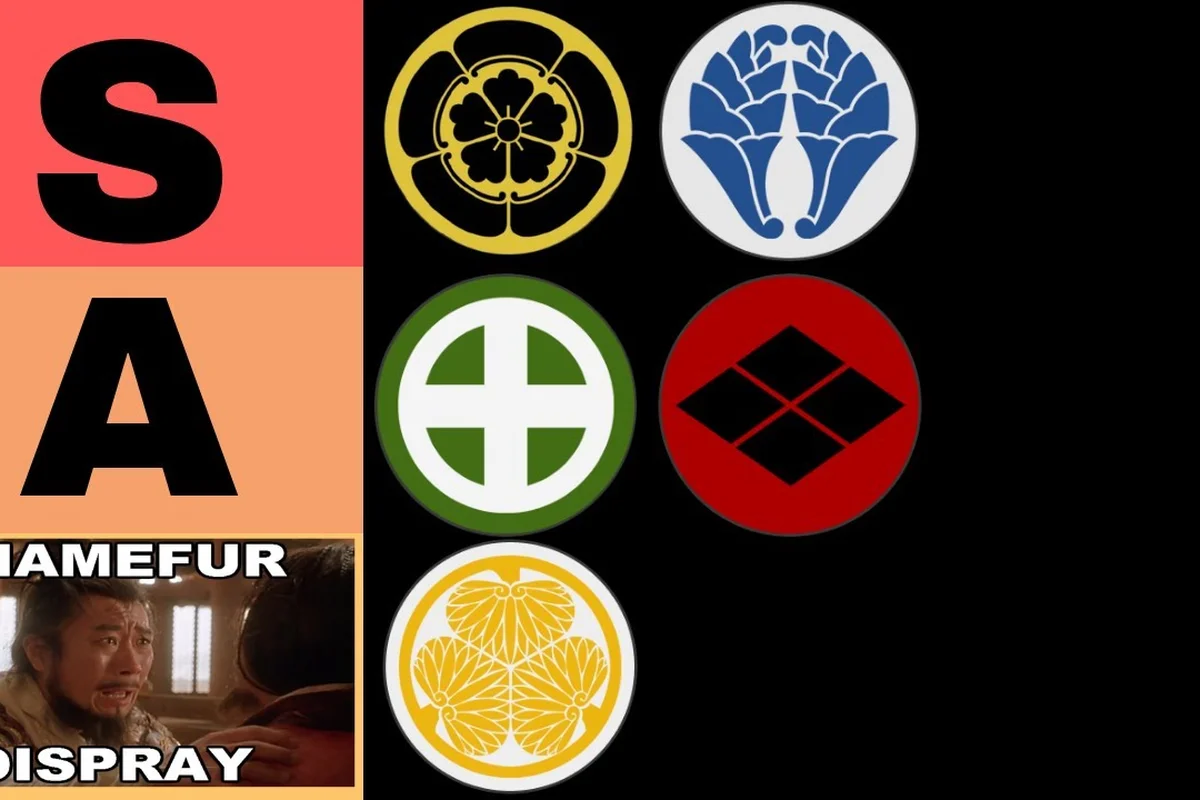
Total War: SHOGUN 2 Easiest Clan to Play for Beginners
Skip the trial-and-error: the easiest clan to play in Shogun 2, with starting positions, forgiving bonuses, and special units that let beginners cruise early.
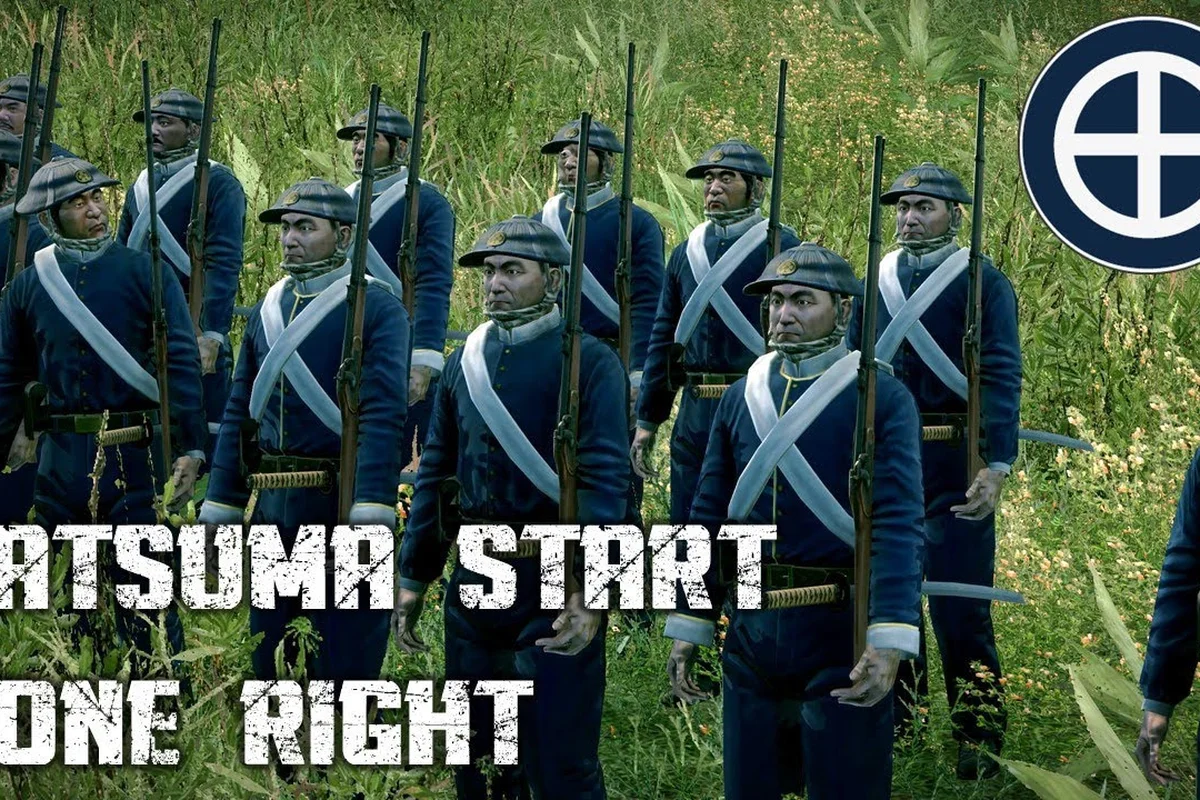
Total War: SHOGUN 2 Satsuma Clan Guide: Imperial Edge & Firearms
Master the southern Shogun 2 Satsuma clan guide: starting position, matchlock infantry rush, foreign trade bonuses, and how to ride the Imperial route to victory.